 |
1-800-417-8010 | |||||||
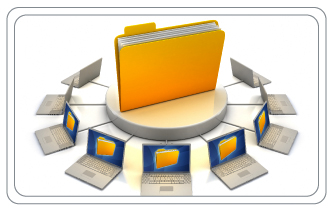    1. Electronic Data Rooms: Simplifying M&A Key insights from a recent client success In mergers and acquisitions, a lot rides on the records in the deal’s data room. Traditional paper-based data rooms expose all the parties to costly risks, because the time-consuming process of photocopying every document can lead to information being lost or misplaced. That’s why electronic data rooms are emerging as a better alternative. By digitizing the critical records for the assets being sold, both buyers and sellers get a user-friendly format to evaluate all the relevant information. In Making Acquisitions and Divestitures Simple with Electronic Data Rooms, we look at four key outcomes of our recent work with one of the world’s largest oil and companies. Get this great resource to discover how an electronic data room helps users:
2. Four Essential RM Practices for Successful M&As As a profession, records management may not seem as dramatic as the financial wheeling and dealing of mergers and acquisitions. But when corporate assets are bought and sold, that’s when iron-clad RM practices matter most. Whether big or small, the sale of any corporate asset must be supported by accurate and complete records. These provide buyers with historical information, compliance documentation and other crucial records—and most importantly, demonstrate the full value of your assets. Here are four RM best practices that will ensure potential buyers have access to the right information. Functional Classification Systems Implementing any kind of comprehensive records and information management program requires a common way of naming things—in short, a functional classification system. When assets are sold, this critical piece of your RM program helps ensure the clear identification of information in both electronic and physical formats. The classification system also provides the basis for compliance, risk management, retention periods, security safeguards and other related issues that may be factors in the sale of a corporate asset. Information that goes missing due to incorrect classification can have severe consequences: it can reduce the value of the asset, impede negotiations or introduce post-sale legal risks. That’s why a functional classification system is essential part of to being able to retrieve all of the necessary records associated with the sale of a corporate asset. Retention Schedules While developing a comprehensive retention program is a great way to reduce storage costs and generally improve access to information, it is especially beneficial at the time of an asset sale. With a properly functioning retention schedule, organizations are able to quickly locate the right supporting documentation about an asset, and provide potential buyers with the information they need. Nothing slows down the critical timing of a divestiture like a cumbersome process of wading through unnecessary or inactive records. By eliminating non-essential documents—both paper and electronic—a retention schedule ensures you can retrieve the right records quickly. Structured Metadata In conjunction with a functional classification system, structured metadata can streamline the retrieval of the right records related to an asset being put up for sale. It also allows for improved search functionality within an electronic data room—a user-friendly digital environment where potential buyers get equal access to examine supporting documentation. Metadata enables users to search with a range of terms and keywords, including records classification categories, document types, so information can be located quickly. Optical Character Recognition (OCR) Metadata is one way to improve the search and retrieval of electronic documents, but scanned or imaged documents in .pdf, .jpeg or .txt formats are not compatible with standard Text Search functionalities. OCR provides another efficient way to find the data you need, by extracting text from a wide-range of electronic records formats and storing that metadata directly in a database. OCR is an important tool for creating an electronic data room, because it provides a simple way for users to search through physical records that have been imaged. Instead of potential buyers having to read through hundreds of physical records, OCR allows them to search through these imaged documents in seconds, just based on a variety of metadata to locate specific records and data. This ultimately paves the way to a faster, less onerous transaction. Talk to TAB Normal due diligence by potential buyers does not have to disrupt the progress of finalizing a deal. Through the effective application of RM practices, all of the correct records can be retrieved and organized, and presented to buyers in a way that makes it easy for them to find the details they need. At TAB, we understand how RM practices can improve the process behind mergers and acquisitions. Whether your organization is divesting assets or examining a possible acquisition, TAB can provide the RM expertise to ensure all the right information is made available, including creating an electronic data room that utilizes metadata and OCR functions. To find out how we can help, contact a rep for more information. Also, be sure to read about our recent work with one of the world’s largest oil and gas companies, in which an electronic data room helped unlock unexpected benefits for them. Download "Making Acquisitions and Divestitures Simple with Electronic Data Rooms" to learn more.
3. Address the Key Challenges of M&As in a Hybrid Environment With TAB FusionRMS It’s becoming increasingly common for organizations to retain records in both physical and electronic formats. But since a typical hybrid environment might include word-processing documents, spreadsheets, digital image files and engineering blueprints, it can be tricky to ensure consistent RM practices are always applied. This is especially true in the event of a merger, acquisition or divestiture of corporate assets. In order to ensure you’re prepared for the scrutiny of a Mergers and Acquisitions (M&A) team, we have identified four key challenges of hybrid environments and how TAB FusionRMS can help address them.
Accessing different electronic formats—With the proliferation of electronic formats used to create and share documents, organizations face growing requirements to manage records access, storage and search. For example, scanned images of electronic or paper records can be stored in multiple image formats, creating duplication across an organization. Establishing a standard file format in the early stages of an M&A transaction is critical. But how do you retrieve existing electronic data from different repositories? TAB FusionRMS integrates with multiple repositories and can extract records and information from almost any PC file format. Transformation during on-going operations—Organizations will often continue operating during an M&A transaction, with various departments generating new records on a daily basis. The result is that existing systems must continually update and refresh records content, making it impossible to ascertain the status of records before and after an organizational change. Transferring declared electronic records to a separate records management system such as FusionRMS can help to avoid this issue. Retention issues—Unlike M&A, where placing data into a consolidated application is in the best interests of both parties, divestitures and closings are more likely to result in the loss of critical data. Introducing an intuitive and easy-to-use repository that provides long-term retention and control is the key to preserving this data. TAB FusionRMS software simplifies the formal management of large volumes of records by automatically applying records retention schedules and a final disposition based on predefined business rules. This allows companies to develop configurable, multi-phase records retention schedules to comply with legal requirements. Do you manage a hybrid environment? TAB FusionRMS can help you improve the way you manage, search for and retrieve all of your electronic records, for both ongoing operations and an acquisition or divestiture. Visit our website to learn more! 4. Print Labels in 3 Easy steps at the new TABQUIK.ca!! Printing colour-coded file labels just got even easier. Discover TABQUIK.ca, the new easy-to-use web service from TAB! With TABQUIK.ca, on demand printing takes 3 simple steps:
Try it today at www.tabquik.ca. 5. Come Visit Us At ARMA ’11! We will be at the 56th Annual ARMA conference in Washington D.C. Oct. 17-19. Hope to see you there! Where to find us: Booth #301, right at the entrance of the expo hall This year, we'll be giving away books of our 2011 TAB White Paper Collection. Just complete this short survey to get a coupon for your free copy. Also, while you’re at the show, get a one-on-one demo of our TAB FusionRMS software or the new TABQUIK.ca, and you’ll receive a flash drive with FusionRMS and electronic RM information to take home. Click here to reserve a demo time. In-Booth Presentations:
To download a free expo pass courtesy of TAB, simply visit our ARMA website for more information. 6. What Your Colleagues Are Downloading Want to know what your colleagues are reading? Here are some of our popular downloads. How Metadata Works with Records Management Part I Understanding Metadata and What it Means for Your Organization As a records management professional, you’ve probably heard the term metadata being used a lot. But what does it actually mean and, more importantly, how does it apply to your RM program? Simply put, metadata provides a more effective way to classify electronic and physical information in order to decrease retrieval times, prevent duplication and make your overall records management program more efficient. To help you make sense of metadata, we’ve put together a two-part whitepaper series. In part one, you will discover:
M&A Records Intake Assessment Tool We've put this resource together to help records managers who are faced with the challenge of integrating records collections in a merger or acquisition situation. Using the answers and action items generated by completing this tool will ensure that new collections don't ensnare your RM program in undue risk, redundant documents, and inconsistent application of standards. This assessment will help you with:
|
|
|||||||
|
||||||||